Understanding PCOS: Symptoms, Root Causes & Practical Management
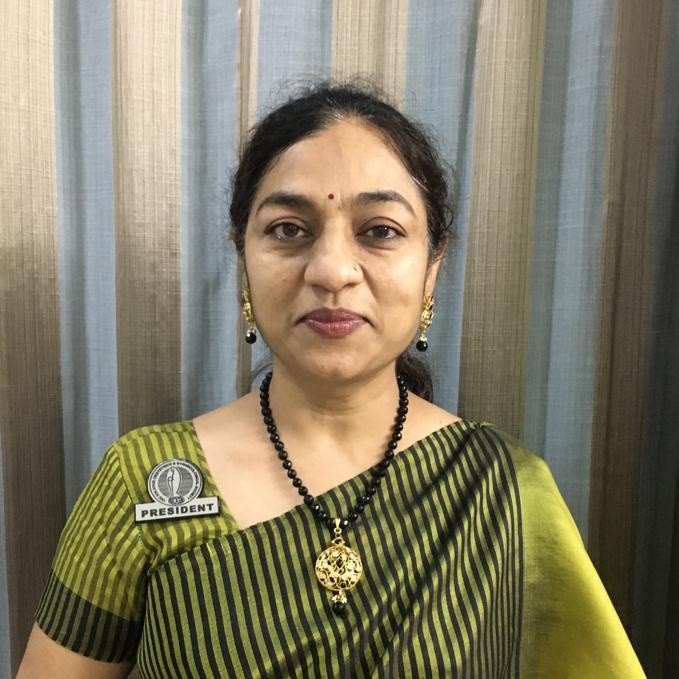 Medically Reviewed by Dr. Kiran Sarda (MBBS, DGO)
Medically Reviewed by Dr. Kiran Sarda (MBBS, DGO)
Medically Reviewed by Dr. Kiran Sarda (MBBS, DGO)
Polycystic Ovary Syndrome (PCOS) is one of the most widespread hormonal conditions among women of reproductive age. In India, recent epidemiological studies estimate that nearly 1 in every 5 women experiences symptoms of PCOS. Yet, because symptoms can vary dramatically from one person to another, many women spend months or even years wondering why their periods are irregular, why losing weight feels unusually difficult, or why sudden acne breakouts keep recurring.
At Sarda Hospital, our goal is to dispel the fear and myths surrounding PCOS. It is a manageable condition, not a life sentence. Here is an evidence-based medical guide to understanding what is happening in your body and what practical steps you can take today.
PCOS is an endocrine (hormonal) and metabolic disorder. In a typical menstrual cycle, the ovaries develop several small follicles, one of which matures and releases a healthy egg (ovulation).
In women with PCOS, a communication mismatch occurs between the brain (the pituitary gland) and the ovaries. The ovaries produce slightly elevated levels of androgens (hormones often described as male hormones, although all women naturally produce them in small quantities). Because of this hormonal imbalance, the small follicles remain immature and do not release an egg regularly. On an ultrasound scan, these tiny, harmless, fluid-filled follicles often look like a "string of pearls" along the edge of the ovary.
PCOS is a spectrum condition. You do not need to experience every single symptom to have PCOS. The most frequent signs include:
Having irregular periods alone does not automatically guarantee PCOS. Other conditions, such as thyroid dysfunction (hypothyroidism) or elevated prolactin levels, can mimic similar symptoms. An accurate clinical diagnosis by an experienced gynaecologist is essential before beginning any medication.
While the exact genetic triggers continue to be studied, clinical medicine identifies three primary pillars driving PCOS:
Insulin is the hormone that helps cells absorb glucose (sugar) from the bloodstream for energy. In approximately 70% of women with PCOS, the body's cells become resistant to insulin. The pancreas compensates by pumping out even more insulin. High levels of circulating insulin directly stimulate the ovaries to produce excess testosterone and suppress Sex Hormone-Binding Globulin (SHBG).
An altered ratio between Luteinizing Hormone (LH) and Follicle-Stimulating Hormone (FSH) leads to irregular ovarian stimulation, hindering natural egg release.
Elevated inflammatory markers promote ovarian androgen secretion and compound insulin resistance, contributing to systemic fatigue and weight challenges.
Medical research consistently shows that lifestyle modifications are the first-line therapy for managing PCOS. Even a modest 5% to 10% reduction in body weight can restore spontaneous ovulation and significantly improve cycle regularity.
While lifestyle changes form the cornerstone of management, personalized medical care provides the necessary support to regulate your cycles and safeguard your long-term health:
"Every woman's hormonal journey is unique. Many young girls and women visit our clinic feeling anxious or guilty about their weight or irregular cycles. Please remember: PCOS is not your fault. With scientific evaluation, patient guidance, and balanced daily habits, your body can find its rhythm again. We are here to walk with you every step of the way."
Schedule a medical consultation if you notice:
Get personalized medical advice, pelvic screening, and compassionate care tailored to your body's needs at Sarda Hospital, Solapur.